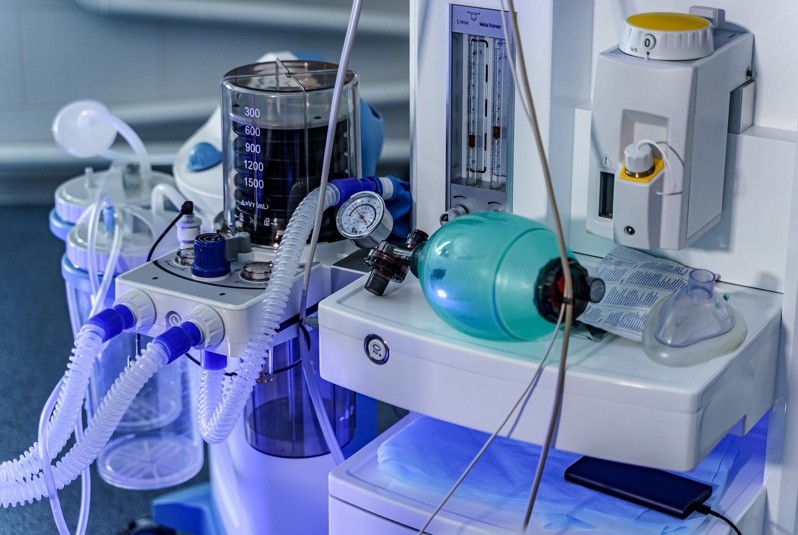
Course
Explore every module in the course at a glance. This page outlines everything you’ll learn—so you can track your progress and stay one step ahead.
Course
Explore every module in the course at a glance. This page outlines everything you’ll learn—so you can track your progress and stay one step ahead.
Course
Explore every module in the course at a glance. This page outlines everything you’ll learn—so you can track your progress and stay one step ahead.


Why Future CRNA Learning Solutions
This course is meticulously designed to lay a strong foundation in anesthesia, encompassing its core concepts. Whether you're aiming to join, waiting to start, or have already secured a spot in CRNA school, our course offers a significant advantage.
Dive into anesthesia's key principles now and ensure you're not just ready, but ahead of the curve. Embrace this opportunity to gain an edge in the competitive CRNA journey ahead.
Why SIMVANA
We are excited to announce our collaboration with SIMVANA, the leader in immersive virtual reality (VR) simulation. This collaboration brings cutting-edge VR training experiences to aspiring CRNAs, enhancing clinical readiness and confidence in high-stakes environments.
Studies show that SIMVANA Anesthesia is a highly effective tool in anesthesia education programs nationwide. Its immersive VR training modules have demonstrated measurable improvements in both knowledge and confidence among student registered nurse anesthetists (SRNAs).
97% increase in SRNA knowledge
83% decrease in clinical training anxiety
100% engagement and satisfaction among participants
Immersive VR Modules: Practice anesthesia scenarios in a fully interactive, virtual operating room.



Module breakdown
Module breakdown
Foundations of Anesthesia Course
1. Welcome to Future CRNA Learning Solutions
Who we are, the purpose of the course, course format, what students will gain, certificate of completion, adding the course to your application or resume, competitiveness of CRNA programs, and the importance of extra preparation.
Introduction to Future CRNA Learning Solutions
Who We Are
Purpose of the Course
Certification of Completion
Course Format
What the Student Will Gain
Competitiveness of CRNA Programs
Adding our Certificate to CRNA Application
Course Objectives
Post Activity Quiz
2. History of Anesthesia/Roles of CRNA
Delve deep into the riveting history of anesthesia, tracing its evolution from ancient practices to today's advanced techniques. Discover the pivotal roles of CRNAs throughout this journey, understanding their significance in the changing landscape of medical anesthesia
Introduction to Anesthesia
Vital Role of a CRNA
Future of CRNAs: A Bright Horizon in Healthcare
Chapter 2 Summary & Case Studies
Post Activity Exam
3. Physics of Anesthesia
The Physics of Anesthesia chapter provides a comprehensive foundation in the essential physical principles that impact anesthesia practice. Topics covered include gas laws, fluid mechanics, and airway management; pressure-volume relationships in the respiratory system; and the principles behind anesthetic vaporization and gas delivery. The chapter also explores safety considerations such as electrical and mechanical hazards, temperature regulation, ultrasound and radiation physics, and their roles in regional anesthesia and clinical safety. Each section ties core physics concepts directly to real-world anesthesia applications, ending with a summary, clinical correlations.
Introduction to the Fundamental Principles of Physics in Anesthesia
Gas Laws and Their Application in Anesthesia
Fluid Mechanics and Airway Management
Pressure, Volume, and Compliance in the Respiratory System
Vaporization and Anesthetic Gas Delivery
Electrical and Mechanical Safety in Anesthesia
Temperature Regulation and Thermodynamics in Anesthesia
Ultrasound Physics and Its Role in Regional Anesthesia
Radiation Physics and Anesthesia Safety
Summary and Clinical Correlations
Post Activity Exam
4. Pharmacokinetics, Pharmacodynamics, and Pharmacology of Anesthesia
In the field of anesthesia, the role of pharmacology is paramount. This section introduces the crucial significance of pharmacology in anesthetic practice, shedding light on the complex interplay between pharmacokinetics and pharmacodynamics. These concepts form the foundation of understanding how anesthetic drugs function in the human body. The introduction sets the stage for a detailed exploration of these topics, aiming to provide a comprehensive understanding of anesthetic pharmacology.
Introduction to Anesthesia Pharmacology
Introduction to Anesthesia Pharmacology Induction Drugs
Inhalation Agents
Opioids
Paralytics/Reversals
Antiemetics
Chapter 3 Summary and Case Study
Post Activity Exam
5. Anesthetic Impact on Systemic Physiology and Special Populations
Understanding the intricate interplay of anesthesia with the body is paramount. It ensures patient safety by preventing potential complications and allows for individualized care, as responses to anesthesia can vary based on a patient's health. With a myriad of anesthetic agents available, a thorough grasp of their physiological impacts is crucial for informed decision-making. Such knowledge aids in effectively predicting and managing any side effects, and guides post-operative care for an enhanced recovery process. In essence, a deep comprehension of the physiological interactions of anesthesia is the cornerstone of optimal patient care throughout the surgical journey.
Introduction to Anesthetic Impact on Physiology
Central Nervous System
Cardiovascular
Respiratory
Renal and Fluid/Electrolyte Balance
Hepatic
Endocrine and Metabolic System
Musckuloskeletal System
Immune System
Pediatric
Obesity
Obstetric Anesthesia: Effects on Fetus and Mother
Geriatric
Post Activity Exam
6. Airway Anatomy and Management
Master the techniques and tools essential for effective airway management. From basic maneuvers to advanced equipment, understand the pivotal role of securing the airway in anesthesia
Airway Anatomy
Airway Assessment
Airway Devices and Table Top Airway Setup
Managing Difficult Ventilation
Difficult Intubation
Chapter 5 Summary & Case Study
Post Activity Exam
7. Anesthesia Machine
Get acquainted with the heart of the anesthesia delivery system - the anesthesia machine. Alongside, familiarize yourself with the myriad equipment pieces that assist in the safe administration of anesthesia.
Anesthesia Machine Introduction
Gas Sources
Gas Machine Checkout
Gas Flow Controls
Vaporizers
High, Intermediate, Low Pressure Systems
Gas Mixture and Delivery
Breathing System and Carbon Dioxide Absorption
Monitoring
Safety Features
Post Activity Exam
Scavenging
8. General Anesthesia
Explore the realm of general anesthesia, understanding its principles, applications, and the science behind inducing a reversible unconscious state. Learn how it's safely administered and the key considerations involved
Introduction to General Anesthesia
Physiological Impacts of General Anesthesia
Drugs Used in General Anesthesia
Sequence of Performing General Anesthesia
Post Activity Exam
9. Local/Sedation Anesthesia
Uncover the intricacies of local and sedation anesthesia. Learn how these methods target specific areas of the body, ensuring pain relief without complete unconsciousness, and the nuances of ensuring patient comfort throughout procedures
Introduction to Local Anesthesia and Sedation
Basics of Sedation
Basics of Local Anesthesia
Local Anesthetics: Mechanism of Action on Nerve Fibers
Local Anesthetic Agents
Potential Complications of Local Anesthesia
Techniques for Achieving Desired Sedation Levels
Post Activity Exam
10. Regional Anesthesia
Journey into the specialized domain of regional anesthesia, where we focus on numbing specific body regions for surgical procedures. Delve into the intricacies of spinals, epidurals, and regional blocks, understanding their techniques, indications, and the expertise required for their effective and safe administration
Introduction to Regional Anesthesia
Advantages of Regional Anesthesia Over General Anesthesia
Scope of Regional Anesthesia in Modern Practice
Preoperative assessment and Informed Consent
Regional Anatomy and Landmarks
Regional Pharmacology
Contraindications of Epidural and Spinal Anesthesia
Peripheral Nerve Blocks
Complications
Post Activity Exam
11. Anesthetic Complications and Emergencies
Prepare for the unexpected. Dive into the potential complications and emergencies in anesthesia, understanding their origins, manifestations, and the immediate responses required to manage them
Anaphylaxis
Laryngospasm and Bronchospasm
Hypoxia
Air/fat Pulmonary Embolism
Malignant Hyperthermia
Aspiration
Inability to Intubate or Ventilate
Cardiovascular Complications
Awareness under Anesthesia
Nerve Damage
Airway Fire
Medication Related Complications
Hypothermia
Post Activity Exam
12. Monitoring the Anesthetized Patient
Learn the importance of vigilant monitoring during anesthesia. Understand the various parameters tracked, the equipment used, and the critical role of timely interventions
Monitors Used for Anesthetized Patient and Normal Values
Interpreting Waveforms and Alarms
Case Studies
Post Activity Exam
13. Emotional Intelligence: Your Key to Thriving in CRNA School
Designed to equip aspiring CRNA students with the critical emotional intelligence skills needed to excel in the demanding environment of nurse anesthesia training. Through a comprehensive exploration of self-awareness, self-regulation, motivation, empathy, and social skills, participants will learn how to effectively manage stress, foster productive interactions, and enhance personal and professional growth.
Introduction to Emotional Intelligence
Self-Awareness/Regulation
Motivation
Social Skills and Empathy
Caring for Your Mental and Physical Health
Case Studies
Assessing and Enhancing Emotional Intelligence
Post Activity Exam
14. Putting everything together: Anesthesia in Action-Live
Experience the culmination of your learning journey with live recordings of our team executing the entire anesthesia process. Each section will feature real-time demonstrations, allowing you to see the integration of knowledge, techniques, and skills in the world of anesthesia
Introduction to Putting Everything Together
Table Setup
Anesthesia Machine Check
Ambu Bag, Suction Check
Induction
Intubation
Placing an LMA
15. Essential Anesthesia Math Concepts
The Essential Anesthesia Math Concepts chapter focuses on the core mathematical skills needed for safe and accurate anesthesia practice. It covers unit conversions, drug dosage calculations, IV infusions and titration, and fluid management. Learners will apply these skills through practice questions and real-world case studies.
Introduction to Essential Math Concepts
Measurement Units & Conversions
Drug Dosage Calculations
IV Infusions & Titration
Maintenance Fluids
Practice Questions & Case Studies
Post Activity Exam
16. Certificate
Upon completion, you'll receive a 'Foundations of Anesthesia' certificate and 40 CEUs approved from AANA, plus a course summary for your CRNA interview and admissions panel.
Course Completion: Your Milestone Achieved
Learner Assesment And Program Evaluation
Certificate Foundations of Anesthesia
Summary of the Course to bring to interview and give to Admissions Panel
Certificate 40 CEUs from AANA
1. Welcome to Future CRNA Learning Solutions
Who we are, the purpose of the course, course format, what students will gain, certificate of completion, adding the course to your application or resume, competitiveness of CRNA programs, and the importance of extra preparation.
Introduction to Future CRNA Learning Solutions
Who We Are
Purpose of the Course
Certification of Completion
Course Format
What the Student Will Gain
Competitiveness of CRNA Programs
Adding our Certificate to CRNA Application
Course Objectives
Post Activity Quiz
2. History of Anesthesia/Roles of CRNA
Delve deep into the riveting history of anesthesia, tracing its evolution from ancient practices to today's advanced techniques. Discover the pivotal roles of CRNAs throughout this journey, understanding their significance in the changing landscape of medical anesthesia
Introduction to Anesthesia
Vital Role of a CRNA
Future of CRNAs: A Bright Horizon in Healthcare
Chapter 2 Summary & Case Studies
Post Activity Exam
3. Physics of Anesthesia
The Physics of Anesthesia chapter provides a comprehensive foundation in the essential physical principles that impact anesthesia practice. Topics covered include gas laws, fluid mechanics, and airway management; pressure-volume relationships in the respiratory system; and the principles behind anesthetic vaporization and gas delivery. The chapter also explores safety considerations such as electrical and mechanical hazards, temperature regulation, ultrasound and radiation physics, and their roles in regional anesthesia and clinical safety. Each section ties core physics concepts directly to real-world anesthesia applications, ending with a summary, clinical correlations.
Introduction to the Fundamental Principles of Physics in Anesthesia
Gas Laws and Their Application in Anesthesia
Fluid Mechanics and Airway Management
Pressure, Volume, and Compliance in the Respiratory System
Vaporization and Anesthetic Gas Delivery
Electrical and Mechanical Safety in Anesthesia
Temperature Regulation and Thermodynamics in Anesthesia
Ultrasound Physics and Its Role in Regional Anesthesia
Radiation Physics and Anesthesia Safety
Summary and Clinical Correlations
Post Activity Exam
4. Pharmacokinetics, Pharmacodynamics, and Pharmacology of Anesthesia
In the field of anesthesia, the role of pharmacology is paramount. This section introduces the crucial significance of pharmacology in anesthetic practice, shedding light on the complex interplay between pharmacokinetics and pharmacodynamics. These concepts form the foundation of understanding how anesthetic drugs function in the human body. The introduction sets the stage for a detailed exploration of these topics, aiming to provide a comprehensive understanding of anesthetic pharmacology.
Introduction to Anesthesia Pharmacology
Introduction to Anesthesia Pharmacology Induction Drugs
Inhalation Agents
Opioids
Paralytics/Reversals
Antiemetics
Chapter 3 Summary and Case Study
Post Activity Exam
5. Anesthetic Impact on Systemic Physiology and Special Populations
Understanding the intricate interplay of anesthesia with the body is paramount. It ensures patient safety by preventing potential complications and allows for individualized care, as responses to anesthesia can vary based on a patient's health. With a myriad of anesthetic agents available, a thorough grasp of their physiological impacts is crucial for informed decision-making. Such knowledge aids in effectively predicting and managing any side effects, and guides post-operative care for an enhanced recovery process. In essence, a deep comprehension of the physiological interactions of anesthesia is the cornerstone of optimal patient care throughout the surgical journey.
Introduction to Anesthetic Impact on Physiology
Central Nervous System
Cardiovascular
Respiratory
Renal and Fluid/Electrolyte Balance
Hepatic
Endocrine and Metabolic System
Musckuloskeletal System
Immune System
Pediatric
Obesity
Obstetric Anesthesia: Effects on Fetus and Mother
Geriatric
Post Activity Exam
6. Airway Anatomy and Management
Master the techniques and tools essential for effective airway management. From basic maneuvers to advanced equipment, understand the pivotal role of securing the airway in anesthesia
Airway Anatomy
Airway Assessment
Airway Devices and Table Top Airway Setup
Managing Difficult Ventilation
Difficult Intubation
Chapter 5 Summary & Case Study
Post Activity Exam
7. Anesthesia Machine
Get acquainted with the heart of the anesthesia delivery system - the anesthesia machine. Alongside, familiarize yourself with the myriad equipment pieces that assist in the safe administration of anesthesia.
Anesthesia Machine Introduction
Gas Sources
Gas Machine Checkout
Gas Flow Controls
Vaporizers
High, Intermediate, Low Pressure Systems
Gas Mixture and Delivery
Breathing System and Carbon Dioxide Absorption
Monitoring
Safety Features
Post Activity Exam
Scavenging
8. General Anesthesia
Explore the realm of general anesthesia, understanding its principles, applications, and the science behind inducing a reversible unconscious state. Learn how it's safely administered and the key considerations involved
Introduction to General Anesthesia
Physiological Impacts of General Anesthesia
Drugs Used in General Anesthesia
Sequence of Performing General Anesthesia
Post Activity Exam
9. Local/Sedation Anesthesia
Uncover the intricacies of local and sedation anesthesia. Learn how these methods target specific areas of the body, ensuring pain relief without complete unconsciousness, and the nuances of ensuring patient comfort throughout procedures
Introduction to Local Anesthesia and Sedation
Basics of Sedation
Basics of Local Anesthesia
Local Anesthetics: Mechanism of Action on Nerve Fibers
Local Anesthetic Agents
Potential Complications of Local Anesthesia
Techniques for Achieving Desired Sedation Levels
Post Activity Exam
10. Regional Anesthesia
Journey into the specialized domain of regional anesthesia, where we focus on numbing specific body regions for surgical procedures. Delve into the intricacies of spinals, epidurals, and regional blocks, understanding their techniques, indications, and the expertise required for their effective and safe administration
Introduction to Regional Anesthesia
Advantages of Regional Anesthesia Over General Anesthesia
Scope of Regional Anesthesia in Modern Practice
Preoperative assessment and Informed Consent
Regional Anatomy and Landmarks
Regional Pharmacology
Contraindications of Epidural and Spinal Anesthesia
Peripheral Nerve Blocks
Complications
Post Activity Exam
11. Anesthetic Complications and Emergencies
Prepare for the unexpected. Dive into the potential complications and emergencies in anesthesia, understanding their origins, manifestations, and the immediate responses required to manage them
Anaphylaxis
Laryngospasm and Bronchospasm
Hypoxia
Air/fat Pulmonary Embolism
Malignant Hyperthermia
Aspiration
Inability to Intubate or Ventilate
Cardiovascular Complications
Awareness under Anesthesia
Nerve Damage
Airway Fire
Medication Related Complications
Hypothermia
Post Activity Exam
12. Monitoring the Anesthetized Patient
Learn the importance of vigilant monitoring during anesthesia. Understand the various parameters tracked, the equipment used, and the critical role of timely interventions
Monitors Used for Anesthetized Patient and Normal Values
Interpreting Waveforms and Alarms
Case Studies
Post Activity Exam
13. Emotional Intelligence: Your Key to Thriving in CRNA School
Designed to equip aspiring CRNA students with the critical emotional intelligence skills needed to excel in the demanding environment of nurse anesthesia training. Through a comprehensive exploration of self-awareness, self-regulation, motivation, empathy, and social skills, participants will learn how to effectively manage stress, foster productive interactions, and enhance personal and professional growth.
Introduction to Emotional Intelligence
Self-Awareness/Regulation
Motivation
Social Skills and Empathy
Caring for Your Mental and Physical Health
Case Studies
Assessing and Enhancing Emotional Intelligence
Post Activity Exam
14. Putting everything together: Anesthesia in Action-Live
Experience the culmination of your learning journey with live recordings of our team executing the entire anesthesia process. Each section will feature real-time demonstrations, allowing you to see the integration of knowledge, techniques, and skills in the world of anesthesia
Introduction to Putting Everything Together
Table Setup
Anesthesia Machine Check
Ambu Bag, Suction Check
Induction
Intubation
Placing an LMA
15. Essential Anesthesia Math Concepts
The Essential Anesthesia Math Concepts chapter focuses on the core mathematical skills needed for safe and accurate anesthesia practice. It covers unit conversions, drug dosage calculations, IV infusions and titration, and fluid management. Learners will apply these skills through practice questions and real-world case studies.
Introduction to Essential Math Concepts
Measurement Units & Conversions
Drug Dosage Calculations
IV Infusions & Titration
Maintenance Fluids
Practice Questions & Case Studies
Post Activity Exam
16. Certificate
Upon completion, you'll receive a 'Foundations of Anesthesia' certificate and 40 CEUs approved from AANA, plus a course summary for your CRNA interview and admissions panel.
Course Completion: Your Milestone Achieved
Learner Assesment And Program Evaluation
Certificate Foundations of Anesthesia
Summary of the Course to bring to interview and give to Admissions Panel
Certificate 40 CEUs from AANA
1. Welcome to Future CRNA Learning Solutions
Who we are, the purpose of the course, course format, what students will gain, certificate of completion, adding the course to your application or resume, competitiveness of CRNA programs, and the importance of extra preparation.
Introduction to Future CRNA Learning Solutions
Who We Are
Purpose of the Course
Certification of Completion
Course Format
What the Student Will Gain
Competitiveness of CRNA Programs
Adding our Certificate to CRNA Application
Course Objectives
Post Activity Quiz
2. History of Anesthesia/Roles of CRNA
Delve deep into the riveting history of anesthesia, tracing its evolution from ancient practices to today's advanced techniques. Discover the pivotal roles of CRNAs throughout this journey, understanding their significance in the changing landscape of medical anesthesia
Introduction to Anesthesia
Vital Role of a CRNA
Future of CRNAs: A Bright Horizon in Healthcare
Chapter 2 Summary & Case Studies
Post Activity Exam
3. Physics of Anesthesia
The Physics of Anesthesia chapter provides a comprehensive foundation in the essential physical principles that impact anesthesia practice. Topics covered include gas laws, fluid mechanics, and airway management; pressure-volume relationships in the respiratory system; and the principles behind anesthetic vaporization and gas delivery. The chapter also explores safety considerations such as electrical and mechanical hazards, temperature regulation, ultrasound and radiation physics, and their roles in regional anesthesia and clinical safety. Each section ties core physics concepts directly to real-world anesthesia applications, ending with a summary, clinical correlations.
Introduction to the Fundamental Principles of Physics in Anesthesia
Gas Laws and Their Application in Anesthesia
Fluid Mechanics and Airway Management
Pressure, Volume, and Compliance in the Respiratory System
Vaporization and Anesthetic Gas Delivery
Electrical and Mechanical Safety in Anesthesia
Temperature Regulation and Thermodynamics in Anesthesia
Ultrasound Physics and Its Role in Regional Anesthesia
Radiation Physics and Anesthesia Safety
Summary and Clinical Correlations
Post Activity Exam
4. Pharmacokinetics, Pharmacodynamics, and Pharmacology of Anesthesia
In the field of anesthesia, the role of pharmacology is paramount. This section introduces the crucial significance of pharmacology in anesthetic practice, shedding light on the complex interplay between pharmacokinetics and pharmacodynamics. These concepts form the foundation of understanding how anesthetic drugs function in the human body. The introduction sets the stage for a detailed exploration of these topics, aiming to provide a comprehensive understanding of anesthetic pharmacology.
Introduction to Anesthesia Pharmacology
Introduction to Anesthesia Pharmacology Induction Drugs
Inhalation Agents
Opioids
Paralytics/Reversals
Antiemetics
Chapter 3 Summary and Case Study
Post Activity Exam
5. Anesthetic Impact on Systemic Physiology and Special Populations
Understanding the intricate interplay of anesthesia with the body is paramount. It ensures patient safety by preventing potential complications and allows for individualized care, as responses to anesthesia can vary based on a patient's health. With a myriad of anesthetic agents available, a thorough grasp of their physiological impacts is crucial for informed decision-making. Such knowledge aids in effectively predicting and managing any side effects, and guides post-operative care for an enhanced recovery process. In essence, a deep comprehension of the physiological interactions of anesthesia is the cornerstone of optimal patient care throughout the surgical journey.
Introduction to Anesthetic Impact on Physiology
Central Nervous System
Cardiovascular
Respiratory
Renal and Fluid/Electrolyte Balance
Hepatic
Endocrine and Metabolic System
Musckuloskeletal System
Immune System
Pediatric
Obesity
Obstetric Anesthesia: Effects on Fetus and Mother
Geriatric
Post Activity Exam
6. Airway Anatomy and Management
Master the techniques and tools essential for effective airway management. From basic maneuvers to advanced equipment, understand the pivotal role of securing the airway in anesthesia
Airway Anatomy
Airway Assessment
Airway Devices and Table Top Airway Setup
Managing Difficult Ventilation
Difficult Intubation
Chapter 5 Summary & Case Study
Post Activity Exam
7. Anesthesia Machine
Get acquainted with the heart of the anesthesia delivery system - the anesthesia machine. Alongside, familiarize yourself with the myriad equipment pieces that assist in the safe administration of anesthesia.
Anesthesia Machine Introduction
Gas Sources
Gas Machine Checkout
Gas Flow Controls
Vaporizers
High, Intermediate, Low Pressure Systems
Gas Mixture and Delivery
Breathing System and Carbon Dioxide Absorption
Monitoring
Safety Features
Post Activity Exam
Scavenging
8. General Anesthesia
Explore the realm of general anesthesia, understanding its principles, applications, and the science behind inducing a reversible unconscious state. Learn how it's safely administered and the key considerations involved
Introduction to General Anesthesia
Physiological Impacts of General Anesthesia
Drugs Used in General Anesthesia
Sequence of Performing General Anesthesia
Post Activity Exam
9. Local/Sedation Anesthesia
Uncover the intricacies of local and sedation anesthesia. Learn how these methods target specific areas of the body, ensuring pain relief without complete unconsciousness, and the nuances of ensuring patient comfort throughout procedures
Introduction to Local Anesthesia and Sedation
Basics of Sedation
Basics of Local Anesthesia
Local Anesthetics: Mechanism of Action on Nerve Fibers
Local Anesthetic Agents
Potential Complications of Local Anesthesia
Techniques for Achieving Desired Sedation Levels
Post Activity Exam
10. Regional Anesthesia
Journey into the specialized domain of regional anesthesia, where we focus on numbing specific body regions for surgical procedures. Delve into the intricacies of spinals, epidurals, and regional blocks, understanding their techniques, indications, and the expertise required for their effective and safe administration
Introduction to Regional Anesthesia
Advantages of Regional Anesthesia Over General Anesthesia
Scope of Regional Anesthesia in Modern Practice
Preoperative assessment and Informed Consent
Regional Anatomy and Landmarks
Regional Pharmacology
Contraindications of Epidural and Spinal Anesthesia
Peripheral Nerve Blocks
Complications
Post Activity Exam
11. Anesthetic Complications and Emergencies
Prepare for the unexpected. Dive into the potential complications and emergencies in anesthesia, understanding their origins, manifestations, and the immediate responses required to manage them
Anaphylaxis
Laryngospasm and Bronchospasm
Hypoxia
Air/fat Pulmonary Embolism
Malignant Hyperthermia
Aspiration
Inability to Intubate or Ventilate
Cardiovascular Complications
Awareness under Anesthesia
Nerve Damage
Airway Fire
Medication Related Complications
Hypothermia
Post Activity Exam
12. Monitoring the Anesthetized Patient
Learn the importance of vigilant monitoring during anesthesia. Understand the various parameters tracked, the equipment used, and the critical role of timely interventions
Monitors Used for Anesthetized Patient and Normal Values
Interpreting Waveforms and Alarms
Case Studies
Post Activity Exam
13. Emotional Intelligence: Your Key to Thriving in CRNA School
Designed to equip aspiring CRNA students with the critical emotional intelligence skills needed to excel in the demanding environment of nurse anesthesia training. Through a comprehensive exploration of self-awareness, self-regulation, motivation, empathy, and social skills, participants will learn how to effectively manage stress, foster productive interactions, and enhance personal and professional growth.
Introduction to Emotional Intelligence
Self-Awareness/Regulation
Motivation
Social Skills and Empathy
Caring for Your Mental and Physical Health
Case Studies
Assessing and Enhancing Emotional Intelligence
Post Activity Exam
14. Putting everything together: Anesthesia in Action-Live
Experience the culmination of your learning journey with live recordings of our team executing the entire anesthesia process. Each section will feature real-time demonstrations, allowing you to see the integration of knowledge, techniques, and skills in the world of anesthesia
Introduction to Putting Everything Together
Table Setup
Anesthesia Machine Check
Ambu Bag, Suction Check
Induction
Intubation
Placing an LMA
15. Essential Anesthesia Math Concepts
The Essential Anesthesia Math Concepts chapter focuses on the core mathematical skills needed for safe and accurate anesthesia practice. It covers unit conversions, drug dosage calculations, IV infusions and titration, and fluid management. Learners will apply these skills through practice questions and real-world case studies.
Introduction to Essential Math Concepts
Measurement Units & Conversions
Drug Dosage Calculations
IV Infusions & Titration
Maintenance Fluids
Practice Questions & Case Studies
Post Activity Exam
16. Certificate
Upon completion, you'll receive a 'Foundations of Anesthesia' certificate and 40 CEUs approved from AANA, plus a course summary for your CRNA interview and admissions panel.
Course Completion: Your Milestone Achieved
Learner Assesment And Program Evaluation
Certificate Foundations of Anesthesia
Summary of the Course to bring to interview and give to Admissions Panel
Certificate 40 CEUs from AANA
SIMVANA Simulation Library
SimVana’s mastery lessons are structured in three phases. Learners begin with a blend of videos, images, quizzes, and interactive objectives that introduce each topic in a way that builds a solid understanding of core anesthesia concepts and how they apply clinically.
From there, students move into guided practice and hands-on scenarios where they apply what they’ve learned in realistic situations. Each mastery lesson ends with a challenging OR scenario that requires students to think, respond, and solve a real-world problem using their knowledge and skills. This immersive design ensures they not only understand the theory, but can confidently perform in a practical anesthesia environment.
Machine Basics Module 1
CO2 Absorber
6 lessons
Identify the purpose of a CO2 absorber
Identify byproducts of CO2 absorption
Recognize an exhausted CO2 absorber
Recognize the signs of CO2 re-breathing in a patient
Change a CO2 absorber
Deal with an exhausted CO2 absorber when no replacement is handy
Independently recognize and address a situation in which the CO2 absorber is exhausted.
Electrical System
8 lessons
Identify and operate the anesthesia machine master switch
Identify the auxiliary outlets on the anesthesia machine and equipment that can and cannot be plugged into them
Recognize the significance of the battery backup alarm
Identify and operate the main and auxiliary breakers on the anesthesia machine
Evaluate for the proper functioning of the line isolation monitor.
Cylinder Oxygen Supply
7 lessons
Identify the backup and auxiliary oxygen cylinders
Activate the backup and auxiliary oxygen cylinders
Correctly identify the purpose of the pin index system
Correctly identify the purpose of the hanger yoke
Correctly estimate the volume remaining in an oxygen cylinder
Pipeline Gas Supply
7 lessons
Connect and disconnect high pressure gas lines from their wall connections
Demonstrate understanding of the diameter index safety system and quick connect fittings
Correctly assess pipeline gauge pressures
Recognize and address the loss of the pipeline oxygen supply.
Gas Delivery System
9 lessons
Identify and operate the air, nitrous oxide, and oxygen flowmeters.
Demonstrate an understanding of the nitrous oxide proportioning system.
Demonstrate the significance of the fail-safe valve.
Identify and engage the common gas outlet and auxiliary common gas outlet.
Demonstrate safe use of the oxygen flush valve.
Adjust the flowmeters to set target FiO2 values.
CO2 Absorber
6 lessons
Identify the purpose of a CO2 absorber
Identify byproducts of CO2 absorption
Recognize an exhausted CO2 absorber
Recognize the signs of CO2 re-breathing in a patient
Change a CO2 absorber
Deal with an exhausted CO2 absorber when no replacement is handy
Independently recognize and address a situation in which the CO2 absorber is exhausted.
Electrical System
8 lessons
Identify and operate the anesthesia machine master switch
Identify the auxiliary outlets on the anesthesia machine and equipment that can and cannot be plugged into them
Recognize the significance of the battery backup alarm
Identify and operate the main and auxiliary breakers on the anesthesia machine
Evaluate for the proper functioning of the line isolation monitor.
Cylinder Oxygen Supply
7 lessons
Identify the backup and auxiliary oxygen cylinders
Activate the backup and auxiliary oxygen cylinders
Correctly identify the purpose of the pin index system
Correctly identify the purpose of the hanger yoke
Correctly estimate the volume remaining in an oxygen cylinder
Pipeline Gas Supply
7 lessons
Connect and disconnect high pressure gas lines from their wall connections
Demonstrate understanding of the diameter index safety system and quick connect fittings
Correctly assess pipeline gauge pressures
Recognize and address the loss of the pipeline oxygen supply.
Gas Delivery System
9 lessons
Identify and operate the air, nitrous oxide, and oxygen flowmeters.
Demonstrate an understanding of the nitrous oxide proportioning system.
Demonstrate the significance of the fail-safe valve.
Identify and engage the common gas outlet and auxiliary common gas outlet.
Demonstrate safe use of the oxygen flush valve.
Adjust the flowmeters to set target FiO2 values.
CO2 Absorber
6 lessons
Identify the purpose of a CO2 absorber
Identify byproducts of CO2 absorption
Recognize an exhausted CO2 absorber
Recognize the signs of CO2 re-breathing in a patient
Change a CO2 absorber
Deal with an exhausted CO2 absorber when no replacement is handy
Independently recognize and address a situation in which the CO2 absorber is exhausted.
Electrical System
8 lessons
Identify and operate the anesthesia machine master switch
Identify the auxiliary outlets on the anesthesia machine and equipment that can and cannot be plugged into them
Recognize the significance of the battery backup alarm
Identify and operate the main and auxiliary breakers on the anesthesia machine
Evaluate for the proper functioning of the line isolation monitor.
Cylinder Oxygen Supply
7 lessons
Identify the backup and auxiliary oxygen cylinders
Activate the backup and auxiliary oxygen cylinders
Correctly identify the purpose of the pin index system
Correctly identify the purpose of the hanger yoke
Correctly estimate the volume remaining in an oxygen cylinder
Pipeline Gas Supply
7 lessons
Connect and disconnect high pressure gas lines from their wall connections
Demonstrate understanding of the diameter index safety system and quick connect fittings
Correctly assess pipeline gauge pressures
Recognize and address the loss of the pipeline oxygen supply.
Gas Delivery System
9 lessons
Identify and operate the air, nitrous oxide, and oxygen flowmeters.
Demonstrate an understanding of the nitrous oxide proportioning system.
Demonstrate the significance of the fail-safe valve.
Identify and engage the common gas outlet and auxiliary common gas outlet.
Demonstrate safe use of the oxygen flush valve.
Adjust the flowmeters to set target FiO2 values.
Machine Basics Module 2
Circle System
8 lessons
Correctly identify the purpose of the circle system and how it works.
Identify the function of its individual components including the circuit limbs, inspiratory and expiratory valves, APL valve, y-piece, and breathing bag.
Independently resolve an anesthesia circuit disconnection.
Vaporizers
7 lessons
Demonstrate an understanding of how variable bypass vaporizers work.
Demonstrate an understanding of the difference between the sevoflurane vaporizer and the desflurane vaporizers.
Demonstrate how the selector lock mechanism works.
Demonstrate the significance of the filler cap and how to ensure it is secure.
Demonstrate how to refill a vaporizer.
Scavenging System
4 lessons
Demonstrate an understanding of the purpose of and different types of scavenging systems.
Demonstrate how to evaluate and adjust the scavenging system.
Circle System
8 lessons
Correctly identify the purpose of the circle system and how it works.
Identify the function of its individual components including the circuit limbs, inspiratory and expiratory valves, APL valve, y-piece, and breathing bag.
Independently resolve an anesthesia circuit disconnection.
Vaporizers
7 lessons
Demonstrate an understanding of how variable bypass vaporizers work.
Demonstrate an understanding of the difference between the sevoflurane vaporizer and the desflurane vaporizers.
Demonstrate how the selector lock mechanism works.
Demonstrate the significance of the filler cap and how to ensure it is secure.
Demonstrate how to refill a vaporizer.
Scavenging System
4 lessons
Demonstrate an understanding of the purpose of and different types of scavenging systems.
Demonstrate how to evaluate and adjust the scavenging system.
Circle System
8 lessons
Correctly identify the purpose of the circle system and how it works.
Identify the function of its individual components including the circuit limbs, inspiratory and expiratory valves, APL valve, y-piece, and breathing bag.
Independently resolve an anesthesia circuit disconnection.
Vaporizers
7 lessons
Demonstrate an understanding of how variable bypass vaporizers work.
Demonstrate an understanding of the difference between the sevoflurane vaporizer and the desflurane vaporizers.
Demonstrate how the selector lock mechanism works.
Demonstrate the significance of the filler cap and how to ensure it is secure.
Demonstrate how to refill a vaporizer.
Scavenging System
4 lessons
Demonstrate an understanding of the purpose of and different types of scavenging systems.
Demonstrate how to evaluate and adjust the scavenging system.
Machine Basics Module 3
Monitors & Resuscitation Equipment Check
4 lessons
Demonstrate verification of appropriate patient monitoring equipment.
Demonstrate verification of required resuscitation equipment.
Demonstrate verification of adequate suction.
Oxygen Sensor Calibration
4 lessons
Identify the significance of oxygen sensor calibration.
Demonstrate how to calibrate the oxygen sensor to room air.
Demonstrate how to calibrate the oxygen sensor to 100% oxygen.
Low Pressure Leak Test
4 lessons
Demonstrate an understanding of the significance of the low-pressure leak test.
Identify and operate the components used to perform the low-pressure leak test.
Demonstrate the proper performance of the low-pressure leak test.
Positive Pressure Check
3 lessons
Demonstrate an understanding of the significance of the positive pressure check.
Demonstrate how to properly check for positive pressure.
Ventilation System & Valve Check
2 lessons
Demonstrate an understanding of the significance of verifying accurate function of the mechanical ventilation system.
Demonstrate how to perform an evaluation of the mechanical ventilation system.
Setting Alarm Limits
3 lessons
Correctly identify the importance of setting the alarms specifically for each patient.
Access and modify the SIMVANA patient alarms.
Monitors & Resuscitation Equipment Check
4 lessons
Demonstrate verification of appropriate patient monitoring equipment.
Demonstrate verification of required resuscitation equipment.
Demonstrate verification of adequate suction.
Oxygen Sensor Calibration
4 lessons
Identify the significance of oxygen sensor calibration.
Demonstrate how to calibrate the oxygen sensor to room air.
Demonstrate how to calibrate the oxygen sensor to 100% oxygen.
Low Pressure Leak Test
4 lessons
Demonstrate an understanding of the significance of the low-pressure leak test.
Identify and operate the components used to perform the low-pressure leak test.
Demonstrate the proper performance of the low-pressure leak test.
Positive Pressure Check
3 lessons
Demonstrate an understanding of the significance of the positive pressure check.
Demonstrate how to properly check for positive pressure.
Ventilation System & Valve Check
2 lessons
Demonstrate an understanding of the significance of verifying accurate function of the mechanical ventilation system.
Demonstrate how to perform an evaluation of the mechanical ventilation system.
Setting Alarm Limits
3 lessons
Correctly identify the importance of setting the alarms specifically for each patient.
Access and modify the SIMVANA patient alarms.
Monitors & Resuscitation Equipment Check
4 lessons
Demonstrate verification of appropriate patient monitoring equipment.
Demonstrate verification of required resuscitation equipment.
Demonstrate verification of adequate suction.
Oxygen Sensor Calibration
4 lessons
Identify the significance of oxygen sensor calibration.
Demonstrate how to calibrate the oxygen sensor to room air.
Demonstrate how to calibrate the oxygen sensor to 100% oxygen.
Low Pressure Leak Test
4 lessons
Demonstrate an understanding of the significance of the low-pressure leak test.
Identify and operate the components used to perform the low-pressure leak test.
Demonstrate the proper performance of the low-pressure leak test.
Positive Pressure Check
3 lessons
Demonstrate an understanding of the significance of the positive pressure check.
Demonstrate how to properly check for positive pressure.
Ventilation System & Valve Check
2 lessons
Demonstrate an understanding of the significance of verifying accurate function of the mechanical ventilation system.
Demonstrate how to perform an evaluation of the mechanical ventilation system.
Setting Alarm Limits
3 lessons
Correctly identify the importance of setting the alarms specifically for each patient.
Access and modify the SIMVANA patient alarms.
Inhaled Anesthetics Module
Mean Alveolar Concentration
4 lessons
Demonstrate an understanding of MAC
Correctly set the sevoflurane and desflurane vaporizers to MAC and MAC multiple values.
Demonstrate an understanding of factors affecting MAC.
Adjust an anesthetic in accordance with a patient’s pre-existing conditions.
Nitrous Oxide
6 lessons
Identify the chemical characteristics of nitrous oxide.
Identify indications and contraindications to its use.
Demonstrate an understanding of diffusion hypoxia and how to prevent it.
Correctly identify the cardiac, renal, and cerebrovascular effects of nitrous oxide administration.
Desflurane
7 lessons
Identify the chemical characteristics of desflurane.
Identify the special characteristics of the desflurane vaporizer.
Administer desflurane to a patient.
Correctly identify the cardiac, airway, cerebrovascular, and neuromuscular effects of desflurane administration.
Sevoflurane
8 lessons
Identify the chemical characteristics of sevoflurane.
Identify the special characteristics of the sevoflurane vaporizer.
Correctly identify the cardiac, airway, cerebrovascular, and neuromuscular effects of sevoflurane administration.
Uptake & Distribution
10 lessons
Demonstrate an understanding of inspired concentration of an anesthetic and the factors affecting it.
Demonstrate an understanding of alveolar concentration of an anesthetic.
Demonstrate understanding of the relationship between FA and FI.
Demonstrate understanding of the significance of the blood:gas partition coefficient.
Demonstrate how to perform over pressurization.
Demonstrate how alveolar ventilation affects the uptake and distribution of inhaled anesthetics.
Mean Alveolar Concentration
4 lessons
Demonstrate an understanding of MAC
Correctly set the sevoflurane and desflurane vaporizers to MAC and MAC multiple values.
Demonstrate an understanding of factors affecting MAC.
Adjust an anesthetic in accordance with a patient’s pre-existing conditions.
Nitrous Oxide
6 lessons
Identify the chemical characteristics of nitrous oxide.
Identify indications and contraindications to its use.
Demonstrate an understanding of diffusion hypoxia and how to prevent it.
Correctly identify the cardiac, renal, and cerebrovascular effects of nitrous oxide administration.
Desflurane
7 lessons
Identify the chemical characteristics of desflurane.
Identify the special characteristics of the desflurane vaporizer.
Administer desflurane to a patient.
Correctly identify the cardiac, airway, cerebrovascular, and neuromuscular effects of desflurane administration.
Sevoflurane
8 lessons
Identify the chemical characteristics of sevoflurane.
Identify the special characteristics of the sevoflurane vaporizer.
Correctly identify the cardiac, airway, cerebrovascular, and neuromuscular effects of sevoflurane administration.
Uptake & Distribution
10 lessons
Demonstrate an understanding of inspired concentration of an anesthetic and the factors affecting it.
Demonstrate an understanding of alveolar concentration of an anesthetic.
Demonstrate understanding of the relationship between FA and FI.
Demonstrate understanding of the significance of the blood:gas partition coefficient.
Demonstrate how to perform over pressurization.
Demonstrate how alveolar ventilation affects the uptake and distribution of inhaled anesthetics.
Mean Alveolar Concentration
4 lessons
Demonstrate an understanding of MAC
Correctly set the sevoflurane and desflurane vaporizers to MAC and MAC multiple values.
Demonstrate an understanding of factors affecting MAC.
Adjust an anesthetic in accordance with a patient’s pre-existing conditions.
Nitrous Oxide
6 lessons
Identify the chemical characteristics of nitrous oxide.
Identify indications and contraindications to its use.
Demonstrate an understanding of diffusion hypoxia and how to prevent it.
Correctly identify the cardiac, renal, and cerebrovascular effects of nitrous oxide administration.
Desflurane
7 lessons
Identify the chemical characteristics of desflurane.
Identify the special characteristics of the desflurane vaporizer.
Administer desflurane to a patient.
Correctly identify the cardiac, airway, cerebrovascular, and neuromuscular effects of desflurane administration.
Sevoflurane
8 lessons
Identify the chemical characteristics of sevoflurane.
Identify the special characteristics of the sevoflurane vaporizer.
Correctly identify the cardiac, airway, cerebrovascular, and neuromuscular effects of sevoflurane administration.
Uptake & Distribution
10 lessons
Demonstrate an understanding of inspired concentration of an anesthetic and the factors affecting it.
Demonstrate an understanding of alveolar concentration of an anesthetic.
Demonstrate understanding of the relationship between FA and FI.
Demonstrate understanding of the significance of the blood:gas partition coefficient.
Demonstrate how to perform over pressurization.
Demonstrate how alveolar ventilation affects the uptake and distribution of inhaled anesthetics.
Ventilation Basics Module
Manual Ventilation
5 lessons
Demonstrate how to manually ventilate an intubated patient.
Demonstrate how to manually ventilate a patient using the face mask.
Demonstrate how to adjust the flowmeters and APL valve to deliver a sufficient tidal volume and respiratory rate.
Manually Assisted Ventilation
4 lessons
Demonstrate how to use the breathing bag to manually assist the ventilation of an intubated, spontaneously breathing patient.
Demonstrate how to manually assist the ventilation of a spontaneously breathing patient using the face mask.
Volume Controlled Ventilation
5 lessons
Demonstrate how to adjust the respiratory rate and tidal volume.
Demonstrate an understanding of the I:E ratio.
Demonstrate an understanding of PEEP and how to set it.
Correctly set prescribed ventilation parameters.
Manual Ventilation
5 lessons
Demonstrate how to manually ventilate an intubated patient.
Demonstrate how to manually ventilate a patient using the face mask.
Demonstrate how to adjust the flowmeters and APL valve to deliver a sufficient tidal volume and respiratory rate.
Manually Assisted Ventilation
4 lessons
Demonstrate how to use the breathing bag to manually assist the ventilation of an intubated, spontaneously breathing patient.
Demonstrate how to manually assist the ventilation of a spontaneously breathing patient using the face mask.
Volume Controlled Ventilation
5 lessons
Demonstrate how to adjust the respiratory rate and tidal volume.
Demonstrate an understanding of the I:E ratio.
Demonstrate an understanding of PEEP and how to set it.
Correctly set prescribed ventilation parameters.
Manual Ventilation
5 lessons
Demonstrate how to manually ventilate an intubated patient.
Demonstrate how to manually ventilate a patient using the face mask.
Demonstrate how to adjust the flowmeters and APL valve to deliver a sufficient tidal volume and respiratory rate.
Manually Assisted Ventilation
4 lessons
Demonstrate how to use the breathing bag to manually assist the ventilation of an intubated, spontaneously breathing patient.
Demonstrate how to manually assist the ventilation of a spontaneously breathing patient using the face mask.
Volume Controlled Ventilation
5 lessons
Demonstrate how to adjust the respiratory rate and tidal volume.
Demonstrate an understanding of the I:E ratio.
Demonstrate an understanding of PEEP and how to set it.
Correctly set prescribed ventilation parameters.
Cardiac Drugs Module
Ephedrine
2 lessons
Correctly identify the indications for the use of ephedrine.
Identify the mechanism of action of ephedrine.
Select an appropriate initial dosing regimen for ephedrine.
Esmolol
2 lessons
Correctly identify the indications for the use of esmolol.
Identify the mechanism of action of esmolol.
Select an appropriate initial dosing regimen for esmolol.
Independently correct a patient’s hemodynamic status using intravenous esmolol.
Phenylephrine
2 lessons
Correctly identify the indications for the use of phenylephrine.
Identify the mechanism of action of phenylephrine.
Select an appropriate initial dosing regimen for phenylephrine.
Independently utilize phenylephrine to correct a patient’s hemodynamic status.
Ephedrine
2 lessons
Correctly identify the indications for the use of ephedrine.
Identify the mechanism of action of ephedrine.
Select an appropriate initial dosing regimen for ephedrine.
Esmolol
2 lessons
Correctly identify the indications for the use of esmolol.
Identify the mechanism of action of esmolol.
Select an appropriate initial dosing regimen for esmolol.
Independently correct a patient’s hemodynamic status using intravenous esmolol.
Phenylephrine
2 lessons
Correctly identify the indications for the use of phenylephrine.
Identify the mechanism of action of phenylephrine.
Select an appropriate initial dosing regimen for phenylephrine.
Independently utilize phenylephrine to correct a patient’s hemodynamic status.
Ephedrine
2 lessons
Correctly identify the indications for the use of ephedrine.
Identify the mechanism of action of ephedrine.
Select an appropriate initial dosing regimen for ephedrine.
Esmolol
2 lessons
Correctly identify the indications for the use of esmolol.
Identify the mechanism of action of esmolol.
Select an appropriate initial dosing regimen for esmolol.
Independently correct a patient’s hemodynamic status using intravenous esmolol.
Phenylephrine
2 lessons
Correctly identify the indications for the use of phenylephrine.
Identify the mechanism of action of phenylephrine.
Select an appropriate initial dosing regimen for phenylephrine.
Independently utilize phenylephrine to correct a patient’s hemodynamic status.
Anticholinergic Drugs Module
Atropine
2 lessons
Identify the indications for atropine usage.
Identify the appropriate dosage of atropine for severe bradycardia.
Independently address severe bradycardia in a patient using intravenous atropine.
Glycopyrrolate
2 lessons
Identify the indications, dose, and duration of action of glycopyrrolate.
dentify the cardiac effects of glycopyrrolate.
Demonstrate how to return a patient’s hemodynamic status back to baseline using intravenous glycopyrrolate.
Atropine
2 lessons
Identify the indications for atropine usage.
Identify the appropriate dosage of atropine for severe bradycardia.
Independently address severe bradycardia in a patient using intravenous atropine.
Glycopyrrolate
2 lessons
Identify the indications, dose, and duration of action of glycopyrrolate.
dentify the cardiac effects of glycopyrrolate.
Demonstrate how to return a patient’s hemodynamic status back to baseline using intravenous glycopyrrolate.
Atropine
2 lessons
Identify the indications for atropine usage.
Identify the appropriate dosage of atropine for severe bradycardia.
Independently address severe bradycardia in a patient using intravenous atropine.
Glycopyrrolate
2 lessons
Identify the indications, dose, and duration of action of glycopyrrolate.
dentify the cardiac effects of glycopyrrolate.
Demonstrate how to return a patient’s hemodynamic status back to baseline using intravenous glycopyrrolate.
IV Anesthetics Module
Propofol
5 lessons
Mitigate the pain on injection associated with propofol.
Perform an intravenous induction using an appropriate dose of propofol.
Recognize and predict the effects of propofol on the cardiac and respiratory systems.
Etomidate
3 lessons
Demonstrate the correct dosing regimen for an intravenous induction with etomidate.
Recognize and predict the effects of etomidate on the cardiovascular and respiratory systems.
Propofol
5 lessons
Mitigate the pain on injection associated with propofol.
Perform an intravenous induction using an appropriate dose of propofol.
Recognize and predict the effects of propofol on the cardiac and respiratory systems.
Etomidate
3 lessons
Demonstrate the correct dosing regimen for an intravenous induction with etomidate.
Recognize and predict the effects of etomidate on the cardiovascular and respiratory systems.
Propofol
5 lessons
Mitigate the pain on injection associated with propofol.
Perform an intravenous induction using an appropriate dose of propofol.
Recognize and predict the effects of propofol on the cardiac and respiratory systems.
Etomidate
3 lessons
Demonstrate the correct dosing regimen for an intravenous induction with etomidate.
Recognize and predict the effects of etomidate on the cardiovascular and respiratory systems.
Opioids Module
Opioids Module
Ketamine
4 lessons
Identify the indications and appropriate dosing for an intravenous ketamine induction.
Identify the neurologic effects associated with ketamine administration.
Recognize and predict the effects of ketamine on the cardiac and respiratory systems.
Midazolam
2 lessons
Correctly identify the appropriate midazolam dose for preoperative anxiolysis.
Recognize and predict the anxiolytic effects of midazolam administration.
Morphine
2 lessons
Correctly identify the indications and appropriate dose for morphine.
Recognize and predict the analgesic effects of intravenous morphine administration.
Fentanyl
2 lessons
Correctly identify the indications and appropriate dose for intravenous fentanyl.
Recognize and predict the analgesic effects of intravenous fentanyl administration.
Sufentanil
2 lessons
Correctly identify the indications and appropriate dose for intravenous sufentanil.
Recognize and predict the analgesic effects of intravenous sufentanil administration.
Ketamine
4 lessons
Identify the indications and appropriate dosing for an intravenous ketamine induction.
Identify the neurologic effects associated with ketamine administration.
Recognize and predict the effects of ketamine on the cardiac and respiratory systems.
Midazolam
2 lessons
Correctly identify the appropriate midazolam dose for preoperative anxiolysis.
Recognize and predict the anxiolytic effects of midazolam administration.
Morphine
2 lessons
Correctly identify the indications and appropriate dose for morphine.
Recognize and predict the analgesic effects of intravenous morphine administration.
Fentanyl
2 lessons
Correctly identify the indications and appropriate dose for intravenous fentanyl.
Recognize and predict the analgesic effects of intravenous fentanyl administration.
Sufentanil
2 lessons
Correctly identify the indications and appropriate dose for intravenous sufentanil.
Recognize and predict the analgesic effects of intravenous sufentanil administration.
Ketamine
4 lessons
Identify the indications and appropriate dosing for an intravenous ketamine induction.
Identify the neurologic effects associated with ketamine administration.
Recognize and predict the effects of ketamine on the cardiac and respiratory systems.
Midazolam
2 lessons
Correctly identify the appropriate midazolam dose for preoperative anxiolysis.
Recognize and predict the anxiolytic effects of midazolam administration.
Morphine
2 lessons
Correctly identify the indications and appropriate dose for morphine.
Recognize and predict the analgesic effects of intravenous morphine administration.
Fentanyl
2 lessons
Correctly identify the indications and appropriate dose for intravenous fentanyl.
Recognize and predict the analgesic effects of intravenous fentanyl administration.
Sufentanil
2 lessons
Correctly identify the indications and appropriate dose for intravenous sufentanil.
Recognize and predict the analgesic effects of intravenous sufentanil administration.
Neuromuscular Blockers and Reversal Agents Module
Peripheral Nerve Stimulator
3 lessons
Learn the four types of tests available in the SIMVANA Peripheral nerve stimulator.
Learn how to connect the peripheral nerve stimulator to the two monitoring sites available in SIMVANA.
Learn how to perform the single twitch test using the peripheral nerve stimulator.
Learn how to perform the train of four test using the peripheral nerve stimulator.
Learn how to perform the double burst stimulation test using the peripheral nerve stimulator.
Learn how to perform the tetanic stimulation test using the peripheral nerve stimulator.
Neuromuscular Blocking Agents
6 lessons
Learn the two different classes of neuromuscular blocking agents, their uses, and when to never use them.
Learn about the characteristics of a depolarizing neuromuscular blockade and the only agent that produces it.
Learn the appropriate dose, onset time, and duration of succinylcholine as well as its effect on a train-of-four test.
Learn the special considerations that must be contemplated when administering succinylcholine.
Learn the characteristics of nondepolarizing blocking agents, their dose, and the effect of rocuronium on the train of four.
Learn the significance of defasciculation and myalgia when administering depolarizing neuromuscular blocking agents.
Reversal Agents
6 lessons
Learn the two drugs commonly used to reverse nondepolarizing neuromuscular blockade.
Learn the appropriate method of reversing nondepolarizing neuromuscular blockade using an anticholinesterase agent.
Learn the appropriate method of reversing nondepolarizing neuromuscular blockade using sugammadex.
Peripheral Nerve Stimulator
3 lessons
Learn the four types of tests available in the SIMVANA Peripheral nerve stimulator.
Learn how to connect the peripheral nerve stimulator to the two monitoring sites available in SIMVANA.
Learn how to perform the single twitch test using the peripheral nerve stimulator.
Learn how to perform the train of four test using the peripheral nerve stimulator.
Learn how to perform the double burst stimulation test using the peripheral nerve stimulator.
Learn how to perform the tetanic stimulation test using the peripheral nerve stimulator.
Neuromuscular Blocking Agents
6 lessons
Learn the two different classes of neuromuscular blocking agents, their uses, and when to never use them.
Learn about the characteristics of a depolarizing neuromuscular blockade and the only agent that produces it.
Learn the appropriate dose, onset time, and duration of succinylcholine as well as its effect on a train-of-four test.
Learn the special considerations that must be contemplated when administering succinylcholine.
Learn the characteristics of nondepolarizing blocking agents, their dose, and the effect of rocuronium on the train of four.
Learn the significance of defasciculation and myalgia when administering depolarizing neuromuscular blocking agents.
Reversal Agents
6 lessons
Learn the two drugs commonly used to reverse nondepolarizing neuromuscular blockade.
Learn the appropriate method of reversing nondepolarizing neuromuscular blockade using an anticholinesterase agent.
Learn the appropriate method of reversing nondepolarizing neuromuscular blockade using sugammadex.
Peripheral Nerve Stimulator
3 lessons
Learn the four types of tests available in the SIMVANA Peripheral nerve stimulator.
Learn how to connect the peripheral nerve stimulator to the two monitoring sites available in SIMVANA.
Learn how to perform the single twitch test using the peripheral nerve stimulator.
Learn how to perform the train of four test using the peripheral nerve stimulator.
Learn how to perform the double burst stimulation test using the peripheral nerve stimulator.
Learn how to perform the tetanic stimulation test using the peripheral nerve stimulator.
Neuromuscular Blocking Agents
6 lessons
Learn the two different classes of neuromuscular blocking agents, their uses, and when to never use them.
Learn about the characteristics of a depolarizing neuromuscular blockade and the only agent that produces it.
Learn the appropriate dose, onset time, and duration of succinylcholine as well as its effect on a train-of-four test.
Learn the special considerations that must be contemplated when administering succinylcholine.
Learn the characteristics of nondepolarizing blocking agents, their dose, and the effect of rocuronium on the train of four.
Learn the significance of defasciculation and myalgia when administering depolarizing neuromuscular blocking agents.
Reversal Agents
6 lessons
Learn the two drugs commonly used to reverse nondepolarizing neuromuscular blockade.
Learn the appropriate method of reversing nondepolarizing neuromuscular blockade using an anticholinesterase agent.
Learn the appropriate method of reversing nondepolarizing neuromuscular blockade using sugammadex.
Airway Management
Airway Management
Endotracheal Intubation
2 lessons
Demonstrate appropriate preparation of the patient for intravenous induction of anesthesia including preoxygenation and placement of monitors.
Demonstrate the proper technique for intravenous induction for routine endotracheal intubation.
Demonstrate the proper technique for rapid sequence intravenous induction for endotracheal intubation.
Demonstrate verification of proper endotracheal tube placement by auscultation and evaluation of the ETCO2 waveform.
Demonstrate maintenance of anesthesia using a volatile agent and establishment of mechanical ventilation.
Supraglottic Airway Placement
1 lessons
Demonstrate appropriate preparation of the patient for intravenous induction of anesthesia including preoxygenation and placement of monitors.
Demonstrate the proper technique for intravenous induction for supraglottic airway placement for a situation in which you wish to restore spontaneous ventilation quickly.
Demonstrate verification of proper SGA placement by auscultation and evaluation of the ETCO2 waveform.
Demonstrate maintenance of anesthesia using a volatile agent and institution of manual ventilatory assistance as needed.
Endotracheal Intubation
2 lessons
Demonstrate appropriate preparation of the patient for intravenous induction of anesthesia including preoxygenation and placement of monitors.
Demonstrate the proper technique for intravenous induction for routine endotracheal intubation.
Demonstrate the proper technique for rapid sequence intravenous induction for endotracheal intubation.
Demonstrate verification of proper endotracheal tube placement by auscultation and evaluation of the ETCO2 waveform.
Demonstrate maintenance of anesthesia using a volatile agent and establishment of mechanical ventilation.
Supraglottic Airway Placement
1 lessons
Demonstrate appropriate preparation of the patient for intravenous induction of anesthesia including preoxygenation and placement of monitors.
Demonstrate the proper technique for intravenous induction for supraglottic airway placement for a situation in which you wish to restore spontaneous ventilation quickly.
Demonstrate verification of proper SGA placement by auscultation and evaluation of the ETCO2 waveform.
Demonstrate maintenance of anesthesia using a volatile agent and institution of manual ventilatory assistance as needed.
Endotracheal Intubation
2 lessons
Demonstrate appropriate preparation of the patient for intravenous induction of anesthesia including preoxygenation and placement of monitors.
Demonstrate the proper technique for intravenous induction for routine endotracheal intubation.
Demonstrate the proper technique for rapid sequence intravenous induction for endotracheal intubation.
Demonstrate verification of proper endotracheal tube placement by auscultation and evaluation of the ETCO2 waveform.
Demonstrate maintenance of anesthesia using a volatile agent and establishment of mechanical ventilation.
Supraglottic Airway Placement
1 lessons
Demonstrate appropriate preparation of the patient for intravenous induction of anesthesia including preoxygenation and placement of monitors.
Demonstrate the proper technique for intravenous induction for supraglottic airway placement for a situation in which you wish to restore spontaneous ventilation quickly.
Demonstrate verification of proper SGA placement by auscultation and evaluation of the ETCO2 waveform.
Demonstrate maintenance of anesthesia using a volatile agent and institution of manual ventilatory assistance as needed.
Simulations
Simulations
Machine Checkout
The Machine Checkout Simulation contains over 2000 possible combinations of problems affecting the anesthesia machine and related equipment. Identify and resolve the issues as quickly as possible to ensure your operating room is properly configured to administer a safe anesthetic.
Endotracheal Intubation
The Endotracheal Intubation Simulation provides an environment in which you can safely practice the sequence of induction of intravenous anesthesia and airway management using endotracheal intubation. Your objective in this simulation is to induce anesthesia using the intravenous agents of your choice, ensure adequate neuromuscular relaxation, secure the airway with an endotracheal tube using video laryngoscopy, and maintain adequate anesthesia using the volatile agent of your choice.
Rapid Sequence Induction
The Endotracheal Intubation Simulation provides an environment in which you can safely practice the rapid sequence induction process and airway management using endotracheal intubation. Your objective in this simulation is to induce anesthesia suitable in rapid sequence, secure the airway with an endotracheal tube using video laryngoscopy as quickly as possible, ensure maintenance of anesthesia with an inhalation anesthetic, and establish adequate mechanical ventilation.
Supraglottic Airway Placement
The SGA Placement Simulation provides an environment in which you can safely practice the sequence of intravenous induction and airway management using a supraglottic airway. Your objective in this simulation is to induce anesthesia using the anesthetic agent of your choice, establish the airway using a supraglottic airway device, and maintain adequate anesthesia using the volatile agent of your choice.
Equipment Complications
During a routine morning break, you experience a random equipment issue in your room. Your objective is to identify and solve the issue less than two minutes from the time it occurs.
Induction Complications
Practice intravenous induction of anesthesia for endotracheal intubation in the context of equipment malfunctions and hemodynamic complications. Your objective in this simulation is to intubate a patient with an endotracheal tube while successfully dealing with hemodynamic complications and/or the malfunction of one or more pieces of anesthesia equipment.
Supraglottic Airway Emergence
This simulation provides an environment in which you can safely practice emergence from anesthesia. Your objective in this simulation is to safely bring the patient back to consciousness and get them ready to be transferred to PACU.
Endotracheal Tube Emergence
This simulation provides an environment in which you can safely practice emergence from anesthesia. Your objective in this simulation is to safely bring the patient back to consciousness and get them ready to be transferred to PACU.
Laryngospasm
Your objective in this simulation is to identify and treat a patient experiencing laryngospasm as he returns to consciousness.
Malignant Hyperthermia
This simulation provides an environment in which you can safely deal with a malignant hyperthermia case. Your objective in this simulation is to watch the onset of malignant hyperthermia, resolve it, and get the patient ready to be transferred to PACU.
Airway Fire
This simulation provides an environment in which you can safely deal with an airway fire. Your objective in this simulation is to observe for signs of airway fire and take appropriate steps in the immediate treatment of an airway fire.
Worst Break Ever
In the Worst Break Ever, you are providing a routine break for a colleague in which anything and everything that can happen likely will happen.
Machine Checkout
The Machine Checkout Simulation contains over 2000 possible combinations of problems affecting the anesthesia machine and related equipment. Identify and resolve the issues as quickly as possible to ensure your operating room is properly configured to administer a safe anesthetic.
Endotracheal Intubation
The Endotracheal Intubation Simulation provides an environment in which you can safely practice the sequence of induction of intravenous anesthesia and airway management using endotracheal intubation. Your objective in this simulation is to induce anesthesia using the intravenous agents of your choice, ensure adequate neuromuscular relaxation, secure the airway with an endotracheal tube using video laryngoscopy, and maintain adequate anesthesia using the volatile agent of your choice.
Rapid Sequence Induction
The Endotracheal Intubation Simulation provides an environment in which you can safely practice the rapid sequence induction process and airway management using endotracheal intubation. Your objective in this simulation is to induce anesthesia suitable in rapid sequence, secure the airway with an endotracheal tube using video laryngoscopy as quickly as possible, ensure maintenance of anesthesia with an inhalation anesthetic, and establish adequate mechanical ventilation.
Supraglottic Airway Placement
The SGA Placement Simulation provides an environment in which you can safely practice the sequence of intravenous induction and airway management using a supraglottic airway. Your objective in this simulation is to induce anesthesia using the anesthetic agent of your choice, establish the airway using a supraglottic airway device, and maintain adequate anesthesia using the volatile agent of your choice.
Equipment Complications
During a routine morning break, you experience a random equipment issue in your room. Your objective is to identify and solve the issue less than two minutes from the time it occurs.
Induction Complications
Practice intravenous induction of anesthesia for endotracheal intubation in the context of equipment malfunctions and hemodynamic complications. Your objective in this simulation is to intubate a patient with an endotracheal tube while successfully dealing with hemodynamic complications and/or the malfunction of one or more pieces of anesthesia equipment.
Supraglottic Airway Emergence
This simulation provides an environment in which you can safely practice emergence from anesthesia. Your objective in this simulation is to safely bring the patient back to consciousness and get them ready to be transferred to PACU.
Endotracheal Tube Emergence
This simulation provides an environment in which you can safely practice emergence from anesthesia. Your objective in this simulation is to safely bring the patient back to consciousness and get them ready to be transferred to PACU.
Laryngospasm
Your objective in this simulation is to identify and treat a patient experiencing laryngospasm as he returns to consciousness.
Malignant Hyperthermia
This simulation provides an environment in which you can safely deal with a malignant hyperthermia case. Your objective in this simulation is to watch the onset of malignant hyperthermia, resolve it, and get the patient ready to be transferred to PACU.
Airway Fire
This simulation provides an environment in which you can safely deal with an airway fire. Your objective in this simulation is to observe for signs of airway fire and take appropriate steps in the immediate treatment of an airway fire.
Worst Break Ever
In the Worst Break Ever, you are providing a routine break for a colleague in which anything and everything that can happen likely will happen.
Machine Checkout
The Machine Checkout Simulation contains over 2000 possible combinations of problems affecting the anesthesia machine and related equipment. Identify and resolve the issues as quickly as possible to ensure your operating room is properly configured to administer a safe anesthetic.
Endotracheal Intubation
The Endotracheal Intubation Simulation provides an environment in which you can safely practice the sequence of induction of intravenous anesthesia and airway management using endotracheal intubation. Your objective in this simulation is to induce anesthesia using the intravenous agents of your choice, ensure adequate neuromuscular relaxation, secure the airway with an endotracheal tube using video laryngoscopy, and maintain adequate anesthesia using the volatile agent of your choice.
Rapid Sequence Induction
The Endotracheal Intubation Simulation provides an environment in which you can safely practice the rapid sequence induction process and airway management using endotracheal intubation. Your objective in this simulation is to induce anesthesia suitable in rapid sequence, secure the airway with an endotracheal tube using video laryngoscopy as quickly as possible, ensure maintenance of anesthesia with an inhalation anesthetic, and establish adequate mechanical ventilation.
Supraglottic Airway Placement
The SGA Placement Simulation provides an environment in which you can safely practice the sequence of intravenous induction and airway management using a supraglottic airway. Your objective in this simulation is to induce anesthesia using the anesthetic agent of your choice, establish the airway using a supraglottic airway device, and maintain adequate anesthesia using the volatile agent of your choice.
Equipment Complications
During a routine morning break, you experience a random equipment issue in your room. Your objective is to identify and solve the issue less than two minutes from the time it occurs.
Induction Complications
Practice intravenous induction of anesthesia for endotracheal intubation in the context of equipment malfunctions and hemodynamic complications. Your objective in this simulation is to intubate a patient with an endotracheal tube while successfully dealing with hemodynamic complications and/or the malfunction of one or more pieces of anesthesia equipment.
Supraglottic Airway Emergence
This simulation provides an environment in which you can safely practice emergence from anesthesia. Your objective in this simulation is to safely bring the patient back to consciousness and get them ready to be transferred to PACU.
Endotracheal Tube Emergence
This simulation provides an environment in which you can safely practice emergence from anesthesia. Your objective in this simulation is to safely bring the patient back to consciousness and get them ready to be transferred to PACU.
Laryngospasm
Your objective in this simulation is to identify and treat a patient experiencing laryngospasm as he returns to consciousness.
Malignant Hyperthermia
This simulation provides an environment in which you can safely deal with a malignant hyperthermia case. Your objective in this simulation is to watch the onset of malignant hyperthermia, resolve it, and get the patient ready to be transferred to PACU.
Airway Fire
This simulation provides an environment in which you can safely deal with an airway fire. Your objective in this simulation is to observe for signs of airway fire and take appropriate steps in the immediate treatment of an airway fire.
Worst Break Ever
In the Worst Break Ever, you are providing a routine break for a colleague in which anything and everything that can happen likely will happen.
Course Sample
In this video we will give you a sample of one of the sections from the educational platform and what you can expect.
SIMVANA VR Simulator Intro
Practice basic intubations or handle rare complications, all in the comfort of your own home, at your own pace. Each simulation is randomized to provide a fresh challenge on every run through.
Imagine competing for a CRNA school seat against seven equally qualified candidates. Completing a 40-hour course in anesthesia sets you apart, showing your dedication and commitment.
With your certificate, you’ll demonstrate your passion and preparedness, making a lasting impression on the admissions committee. This small investment could be the key to securing your dream career.
Imagine competing for a CRNA school seat against seven equally qualified candidates. Completing a 40-hour course in anesthesia sets you apart, showing your dedication and commitment.
With your certificate, you’ll demonstrate your passion and preparedness, making a lasting impression on the admissions committee. This small investment could be the key to securing your dream career.
Imagine competing for a CRNA school seat against seven equally qualified candidates. Completing a 40-hour course in anesthesia sets you apart, showing your dedication and commitment.
With your certificate, you’ll demonstrate your passion and preparedness, making a lasting impression on the admissions committee. This small investment could be the key to securing your dream career.


Enrollment Now Open
Enroll in FCLS + SIMVANA
$1,449 ($2,500+ Value!)
We’re offering a special bundle to help you access both Future CRNA Learning Solutions and Simvana’s cutting-edge VR simulation platform.
To make this opportunity more accessible, we are greatly discounting the price of the FCLS course—normally $749—so you can add SIMVANA’s immersive training for just $700 more.
Foundations of Anesthesia Course
Get full access to all course materials and benefits with our straightforward pricing.
$749
One time fee (10% Discount)
OR
$70
Per month over 12 installments (Equivalent to $2.30/day)
What's included:
40+ hours of content
Real-world case studies
Video and audio lessons
Interactive assessments
Certificate of completion
40 CE credits from AANA awarded
Flexible learning
One-time fee
FCLS + SIMVANA
You access both Future CRNA Learning Solutions and SIMVANA’s cutting-edge VR simulation platform.
$1,449
$2,500+ Value!
What's included:
Foundations of Anesthesia Course
Immersive Anesthesia Scenarios
Hands on training
180 Mastery Lessons
12 Simulations
Lesson Planning Guide
Real-time feedback and coaching
Utilized in dozens of CRNA Schools
Used in hospitals across the country
Certificate of Completion
In-depth Advanced Analytics
Train from anywhere
Enrollment Now Open
Enroll in FCLS + SIMVANA
$1,449 ($2,500+ Value!)
We’re offering a special bundle to help you access both Future CRNA Learning Solutions and Simvana’s cutting-edge VR simulation platform.
To make this opportunity more accessible, we are greatly discounting the price of the FCLS course—normally $749—so you can add SIMVANA’s immersive training for just $700 more.
Foundations of Anesthesia Course
Get full access to all course materials and benefits with our straightforward pricing.
$749
One time fee (10% Discount)
OR
$70
Per month over 12 installments (Equivalent to $2.30/day)
What's included:
40+ hours of content
Real-world case studies
Video and audio lessons
Interactive assessments
Certificate of completion
40 CE credits from AANA awarded
Flexible learning
One-time fee
FCLS + SIMVANA
You access both Future CRNA Learning Solutions and SIMVANA’s cutting-edge VR simulation platform.
$1,449
$2,500+ Value!
What's included:
Foundations of Anesthesia Course
Immersive Anesthesia Scenarios
Hands on training
180 Mastery Lessons
12 Simulations
Lesson Planning Guide
Real-time feedback and coaching
Utilized in dozens of CRNA Schools
Used in hospitals across the country
Certificate of Completion
In-depth Advanced Analytics
Train from anywhere
Enrollment Now Open
Enroll in FCLS + SIMVANA
$1,449 ($2,500+ Value!)
We’re offering a special bundle to help you access both Future CRNA Learning Solutions and Simvana’s cutting-edge VR simulation platform.
To make this opportunity more accessible, we are greatly discounting the price of the FCLS course—normally $749—so you can add SIMVANA’s immersive training for just $700 more.
Foundations of
Anesthesia Course
Get full access to all course materials and benefits with our straightforward pricing.
$749
One time fee (10% Discount)
OR
$70
Per month over 12 installments (Equivalent to $2.30/day)
What's included:
40+ hours of content
Real-world case studies
Video and audio lessons
Interactive assessments
Certificate of completion
40 CE credits from AANA awarded
Flexible learning
One-time fee
FCLS + SIMVANA
You access both Future CRNA Learning Solutions and SIMVANA’s cutting-edge VR simulation platform.
$1,449
$2,500+ Value!
What's included:
Foundations of Anesthesia Course
Immersive Anesthesia Scenarios
Hands on training
180 Mastery Lessons
12 Simulations
Lesson Planning Guide
Real-time feedback and coaching
Utilized in dozens of CRNA Schools
Used in hospitals across the country
Certificate of Completion
In-depth Advanced Analytics
Train from anywhere
What is the course duration, and is it self-paced?
Is there any certification provided upon course completion?
How is this course different from other anesthesia courses available online?
Is there a refund policy if I feel the course isn't right for me?
How does the hands-on demonstration work in an online format?
What is the course duration, and is it self-paced?
Is there any certification provided upon course completion?
How is this course different from other anesthesia courses available online?
Is there a refund policy if I feel the course isn't right for me?
How does the hands-on demonstration work in an online format?
What is the course duration, and is it self-paced?
Is there any certification provided upon course completion?
How is this course different from other anesthesia courses available online?
Is there a refund policy if I feel the course isn't right for me?
How does the hands-on demonstration work in an online format?